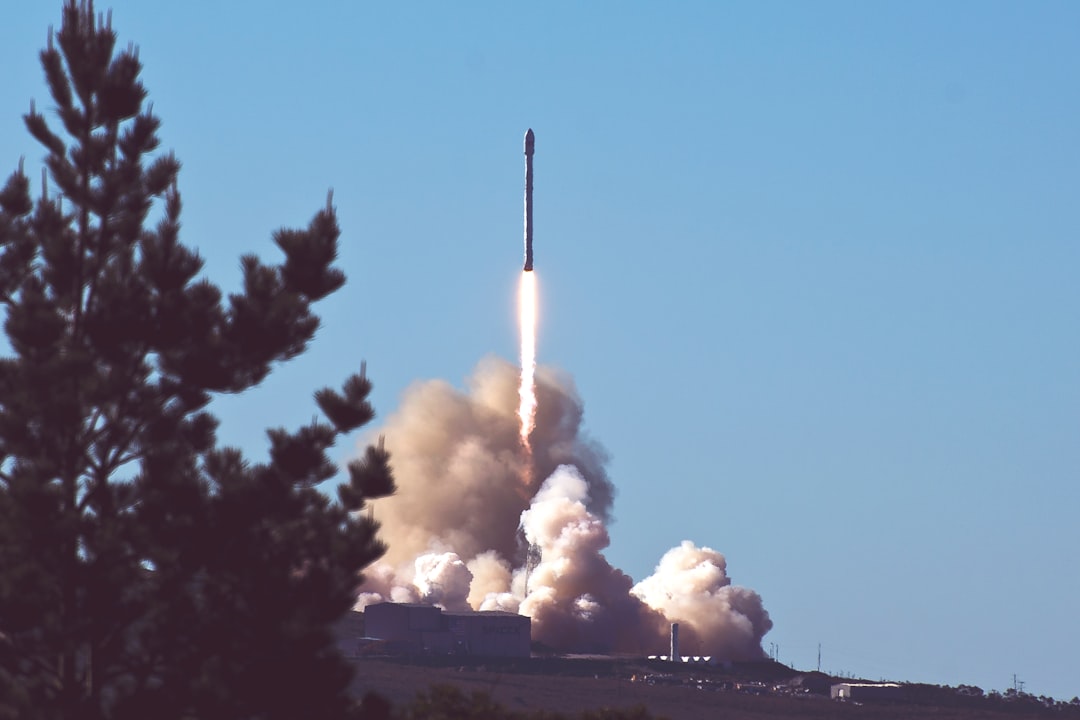
WASHINGTON — The four astronauts aboard Artemis II have now flown farther from Earth than anyone in history. But the record — 406,778 kilometers, set June 9 — was never really the point. The point was proving the Orion spacecraft can handle deep space. And that work is already shaping what comes next.
NASA officials said the Orion capsule reached its peak distance before turning back toward Earth. It beat the old mark of 400,171 kilometers, set by Apollo 13’s crew in 1970. That earlier record came during an emergency — an oxygen tank explosion forced the crew to loop around the Moon just to get home. This one came by design.
The Artemis II crew spent the mission testing Orion’s systems where they matter most: far from Earth. Navigation. Communications. The heat shield that must survive reentry. None of that can be fully tested in low orbit. You have to go deep. The data flowing back from this flight will directly inform the next step — a crewed lunar landing on a later Artemis mission.
That landing mission, still uncrewed for now, will rely on everything Artemis II is checking. If Orion’s navigation drifts in deep space, you want to know before you commit to a landing. If communications lag or drop out, you want a fix before lives depend on it. The crew has been running those checks.
NASA also captured something no crewed spacecraft had ever recorded: a total lunar eclipse seen from the far side of the Moon. The imagery offers a perspective no one has witnessed in person. It is a scientific bonus, but it also signals something simpler — human eyes and cameras are back where they have not been in five decades.
The Apollo era ended in 1972. For 52 years, no human traveled beyond low Earth orbit. The Artemis II record breaks that drought in a concrete, measurable way. NASA officials described the milestone as a symbolic reminder that human exploration is once again reaching past the boundaries set during those earlier missions.
Symbolism aside, the practical work is what matters. The Artemis program is not about one flight. It is about building a capability to stay — to put humans on the Moon and, eventually, to push toward Mars. Every system test on this mission feeds that long arc. The heat-shielding data will shape reentry profiles for the next crew. The navigation checks will refine the flight software for landings. The communications tests will tell engineers where the gaps are.
None of this is fast. The Artemis II mission runs about 10 days, a loop around the Moon without landing. The crew is already on its return leg. But the work does not stop when they splash down. NASA is already looking ahead to the next steps in its human spaceflight plans. The agency is working toward that crewed landing. The distance record is a marker on the road, not the destination.
For the four astronauts aboard, the record is a line in the history books. For the engineers and planners watching from the ground, it is confirmation that the hardware works where it needs to. That is the real consequence of this flight. The next one will have to go further.