NEW YORK, June 9 — Scientists have reported a step toward editing the genes of human embryos with greater precision, work that revives debate over so-called designer babies.
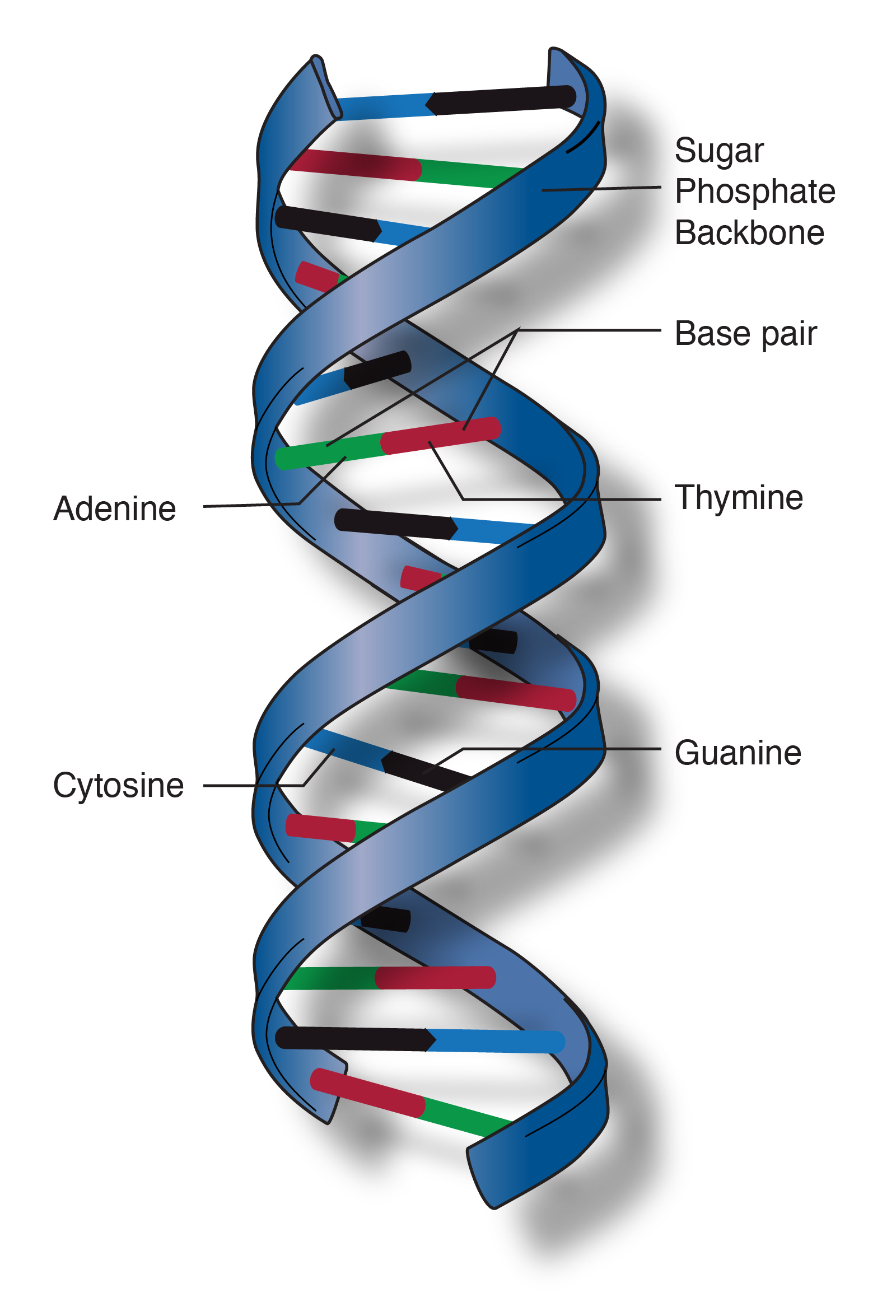
According to a report in The New York Times, Dr. Dieter Egli of Columbia University was able to replace individual genetic letters within DNA sequences using base-editing techniques, a more targeted approach than earlier gene-editing tools.
This breakthrough is significant, as it underscores the rapid progress being made in the field of human germline editing. The research, however, also highlights the significant safety and ethical hurdles that must be overcome before such technology can be used in clinical settings. Dr.
Dieter Egli’s work is a notable example of the progress being made in this area.
By using base-editing techniques, he was able to replace individual genetic letters within DNA sequences, a more precise approach than earlier methods. However, the results were not flawless, as in some cases the editing molecules failed to reach their target DNA, leaving certain cells with the original genes while others were changed.
This produced embryos that were genetic mixtures, or mosaics, a state that could cause medical problems if such embryos ever developed into babies.
Despite these challenges, researchers like Dr. Egli are pushing forward, driven by the potential of this technology to revolutionize the treatment of genetic diseases.
The field of human germline editing has been controversial since 2018, when a Chinese scientist announced the birth of gene-edited babies, drawing international condemnation and prompting many countries to restrict or ban clinical use of the technology.
Mainstream scientific bodies maintain that germline editing is not safe or ready for use in pregnancies, and that questions of consent, equity, and unintended effects remain unresolved. Researchers stress that studies like this are aimed at understanding the science, not at producing edited children. Experts stress the work is early; patients and families with concerns about inherited genetic conditions should consult their doctor.
The research underscores both the rapid progress and the significant safety and ethical hurdles facing human germline editing, in which changes would be passed to future generations.
Consult your doctor for medical advice.