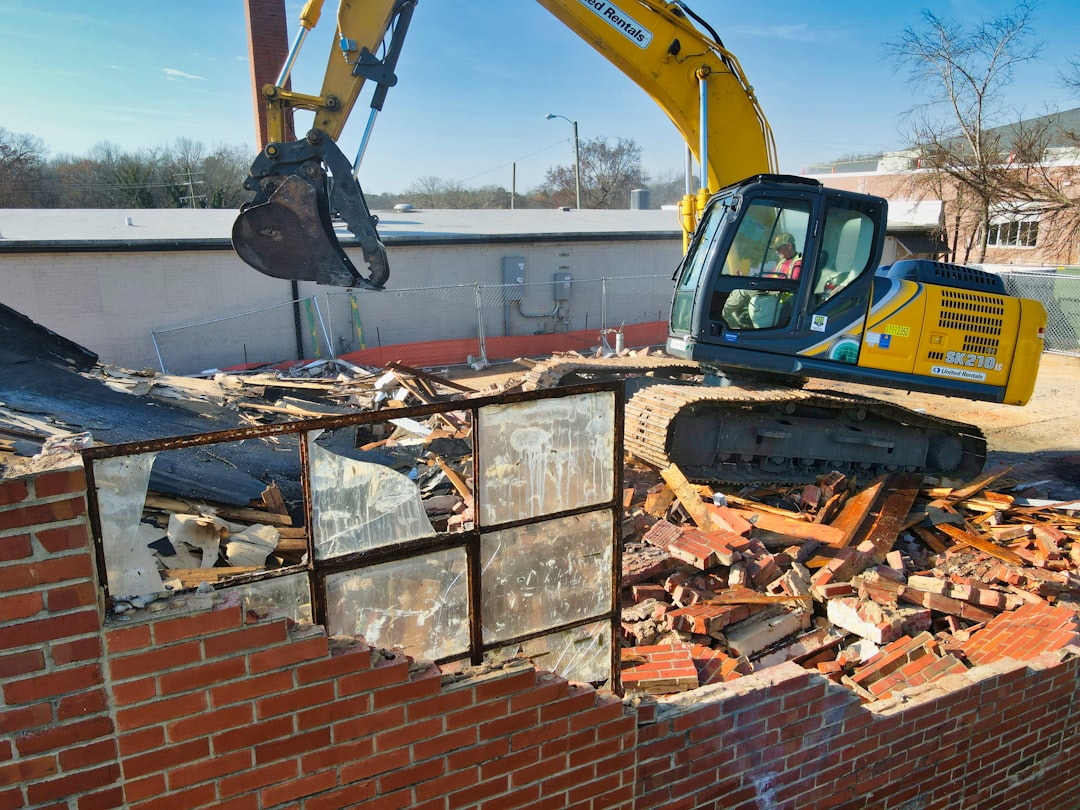
The rubble of Liddell’s twin chimney stacks now sits on the ground in New South Wales. Each stood roughly 5050 feet tall. Now they are broken concrete and twisted steel. The demolition last month was a controlled event. Heavy machinery did the work. AGL Energy brought the structures down.
For three years the chimneys had stood silent. The power station itself had been dead in the ground since the initial closure announcement. That three-year lag between announcement and demolition tells a story. Shutting down a coal plant is not simple. Legal hurdles. Economic considerations. Logistical problems. All of it takes time.
AGL Energy owns Liddell. The company has been executing a long, deliberate withdrawal from coal power. This demolition is part of a broader national strategy. Australia is actively pursuing renewable energy. The Liddell demolition is a literal collapse of old infrastructure. It is a pattern. Coal-fired power plants across Australia are being phased out.
The country is working to reduce its reliance on coal. It is trying to cut carbon emissions. AGL has been at the forefront of this transition. The company has been investing in renewable energy sources. It has been gradually decommissioning its coal-fired power plants. Liddell is one of those.
The chimneys were a prominent feature of the plant. They were visible for miles. They were the last visible sign of the plant’s former function. Now they are gone. The visual representation of a shift that has been happening slowly, incrementally, over years is now complete at this site.
What comes next for the Liddell site is not stated in the report. But the pattern elsewhere offers some clues. Decommissioned coal plant sites across Australia are being repurposed. Some become renewable energy hubs. Solar farms. Battery storage facilities. The land is already connected to the grid. That makes it valuable.
AGL Energy has not said what it plans for the Liddell site. The company is still dealing with the rubble. The demolition itself was a planned event. Hefty machinery was brought in. The stacks came down in a controlled manner. No surprises.
The broader consequences are clear. Australia is moving away from coal. The Liddell demolition is one data point in a larger trend. Other coal plants will follow. The infrastructure of the old energy economy is being dismantled piece by piece. Each demolition makes the transition more real.
Jobs are affected. Communities that grew up around coal plants face change. The economic base of those towns shifts. Some adapt. Some struggle. The report does not address those specifics. But the pattern across Australia is consistent.
The twin stacks at Liddell were monuments to a fading industrial age. Now they are monuments to something else. To the difficulty of change. To the time it takes. To the heavy machinery required to bring down what was once built with such purpose.
Three years from announcement to demolition. That is the lag. That is the reality of transitioning away from coal. It does not happen overnight. It happens in controlled events. With planning. With legal work. With economic calculations. Then the heavy machinery moves in.
The chimneys are down. The rubble remains. The next steps are not yet clear. But the direction is set. Australia is pursuing renewable energy. AGL is part of that. Liddell is part of that. The twin stacks are part of the past now.