Emergency planners from Northern California to British Columbia now face a grim new scenario: two of the West Coast’s most dangerous faults may rupture within hours of each other. A study from Oregon State University, led by marine geologist Chris Goldfinger, has found evidence that the Cascadia subduction zone and the northern San Andreas Fault could be partially synchronized. That means one major quake could trigger another.
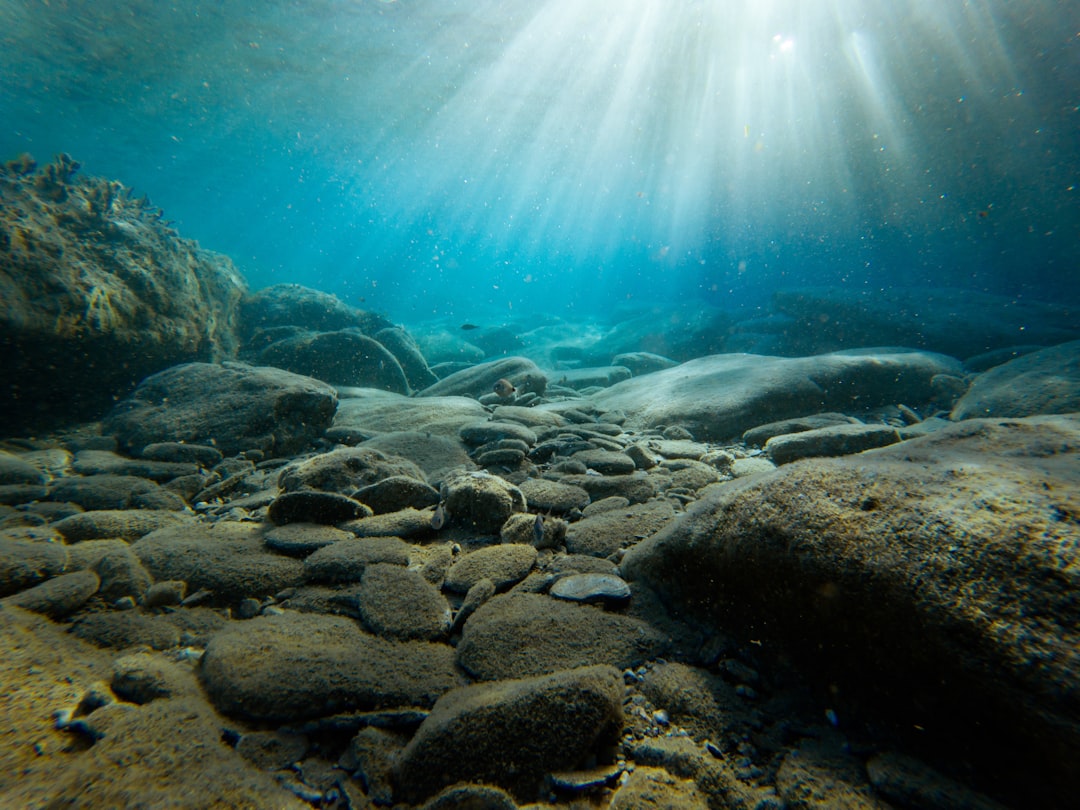
The finding comes from 3,100 years of deep-sea sediment cores. Goldfinger and his team analyzed turbidites — underwater landslide deposits that are often triggered by earthquakes. They found unusual doublets: reversed sediment layers that suggest two large quakes struck back to back, not one followed by aftershocks. Over the past 1,500 years, researchers identified three possible cases of near-simultaneous ruptures. The most recent was around the year 1700.
The stakes are concrete. A dual event would put simultaneous strain on disaster response across San Francisco, Portland, Seattle, and Vancouver. Those four metropolitan areas contain millions of people. Roads, bridges, hospitals, and emergency services would be hit at once. No city could send help to another. Every city would be the disaster zone.
Consider the geography. The Cascadia subduction zone runs off the coast from Northern California to Vancouver Island. It can produce magnitude 9 earthquakes. The northern San Andreas Fault runs through the San Francisco Bay Area. If they rupture together, the window between shocks is minutes or hours. That is not enough time for any meaningful response.
Chris Goldfinger’s work is not speculative. It is built on physical evidence buried in the ocean floor. The sediment cores show layers that look like one earthquake followed by another earthquake — not aftershocks, but a second main shock. The reversed layers are key. They indicate that the second quake was large enough to disturb the seafloor in a different way than the first.
For emergency planners, this changes the math. Current plans assume a single major earthquake, followed by aftershocks, followed by mutual aid from unaffected regions. That assumption collapses if two major cities are both in ruins. Fire departments cannot borrow engines from the next county if that county is also burning. Hospitals cannot accept patients from a neighboring city if that city’s hospital is also full of injured.
The historical record is sobering. Three times in 1,500 years, the faults appear to have fired together. That is not a freak occurrence. It is a pattern. The last one was in 1700. That is 324 years ago. The average gap between events is roughly 500 years. No one knows when the next one comes. But the possibility that it comes as two blows, not one, is now on the table.
Concrete risks include collapsed bridges across the San Francisco Bay, ruptured gas lines in Seattle, liquefaction in the low-lying areas of Portland, and tsunamis hitting Vancouver Island. All at once. All without outside help for days or weeks.
Goldfinger and his team are not alarmists. They are scientists reading the seafloor. The data says what it says. The question for the rest of us is whether we prepare for one earthquake or two. The difference is not academic. It is the difference between a disaster and a catastrophe.