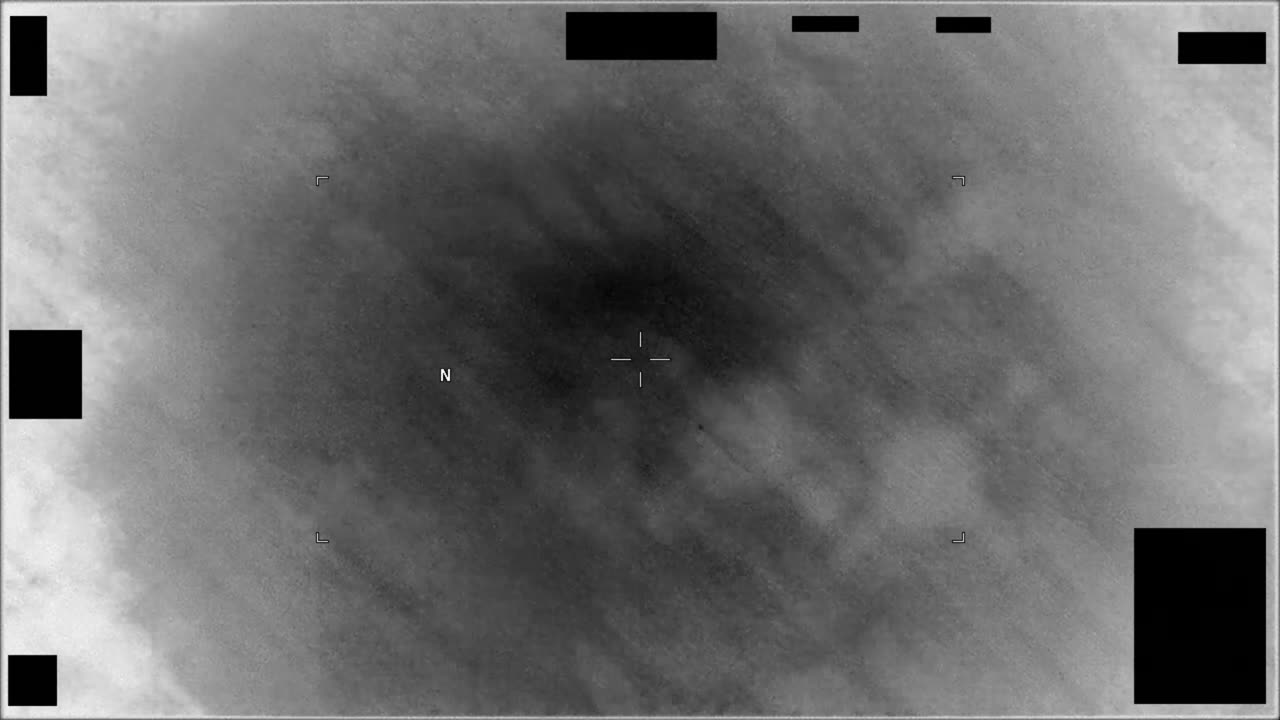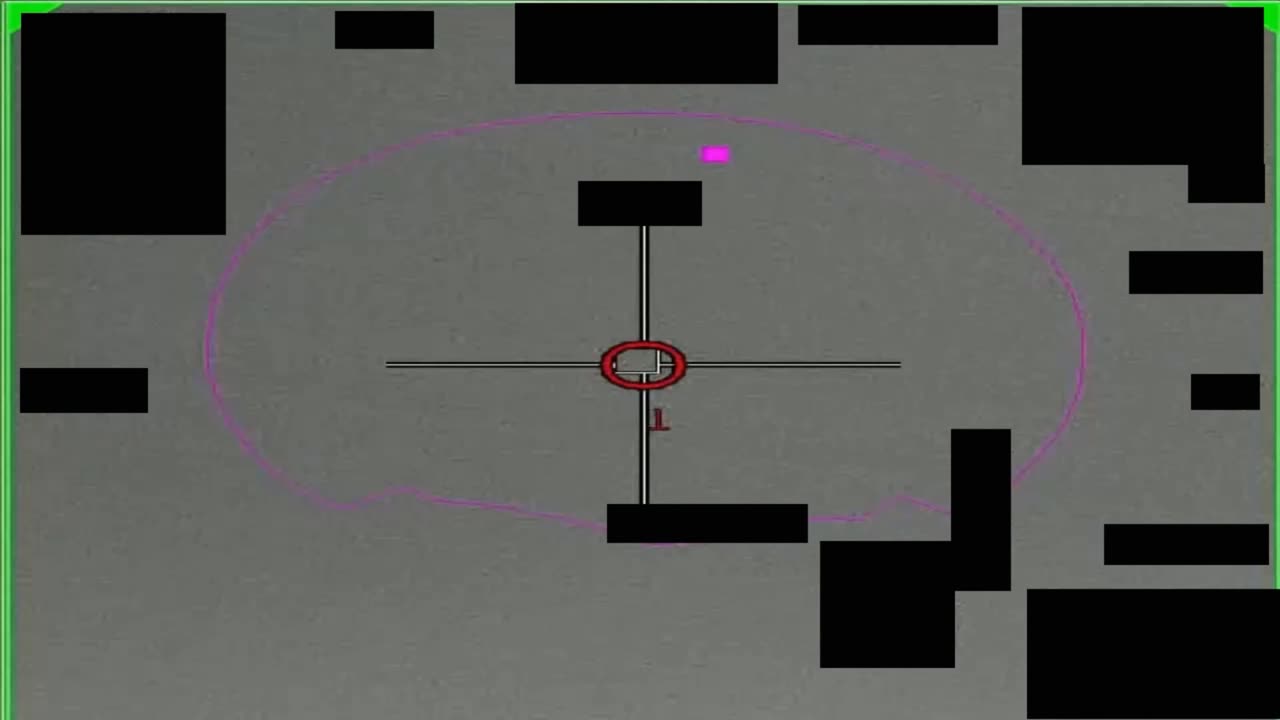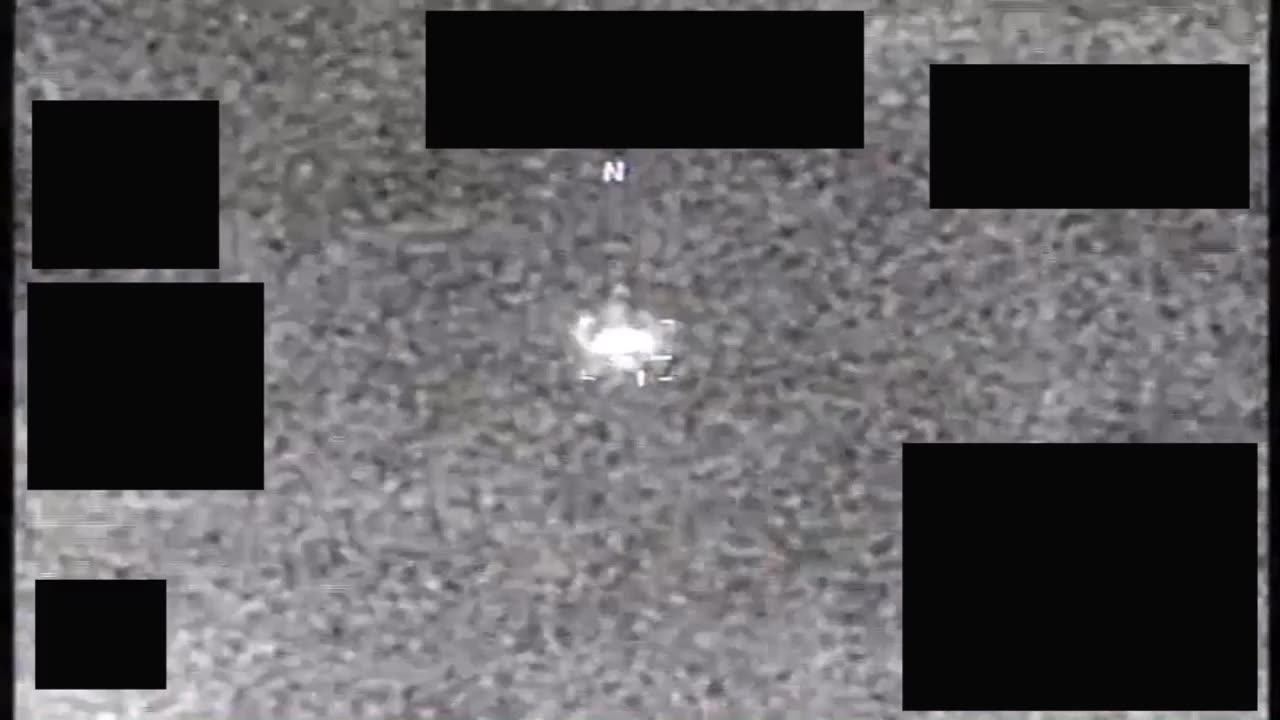
The Department of War has released a six-year-old video of an unidentified object captured by a Navy sensor. The footage, designated PR59, shows a fast-moving point of light with no wings, no engine exhaust, and no visible means of staying aloft. It was recorded on June 1, 2020. The exact location remains classified.
The release is the latest step under the Pentagon’s PURSUE policy framework, which the All-domain Anomaly Resolution Office now uses to standardize how the military reports these encounters. AARO reviewed the footage and determined that making it public would not compromise sensitive sources or methods. That determination is itself a statement about what the government is willing to put on the record.
The object, according to the sensor data, was small and moved fast. Infrared and radar tracks were logged. The report does not say whether it pulled G-forces that would kill a pilot or accelerated in ways no known aircraft can. It says only that the analysis remains inconclusive. That is the same language that has accompanied every such release since the Navy first acknowledged these encounters in 2017.
What is at stake here is not whether the object was alien. It is whether the military’s reporting system works. The PURSUE policy was supposed to fix a broken process. Before it, pilots and sensor operators had no standardized way to file a UAP sighting without risking their careers. Stigma was real. So was the paperwork burden. PURSUE was designed to change that. A single declassified video from 2020, released in 2026, is a test of whether the system actually produces results.
Six years is a long time. The object itself is gone. The platform that recorded it — a naval vessel or aircraft, the filename suggests — has likely moved on. The crew that watched the sensor feed may have rotated out. What remains is a video file and a label: PR59. That label is the only thing that connects this event to the new policy. Without it, this is just another grainy clip of a light in the sky.
The Department of War did not identify the object. It did not rule out a drone, a weather balloon, or a sensor glitch. It said the object’s speed and maneuverability were consistent with previous UAP reports. That is a pattern, not an answer. And patterns are what AARO is supposed to analyze. If the office has drawn conclusions from the aggregate data, it has not shared them. This release is a single data point, not a finding.
Credibility is the real currency here. Every time the government releases footage with no explanation, it risks looking either evasive or incompetent. The public gets a video. The military gets a transparency win. The pilots and analysts who spend their careers on these cases get nothing new to work with. The PURSUE policy was meant to break that cycle. Whether it has is unclear.
The video itself is short. The object appears as a small, fast-moving point of light against a clear sky. No aerodynamic surfaces. No visible propulsion. The sensor data includes infrared and radar tracks, but the report does not say what the radar signature looked like or whether the object changed altitude. Those details matter. They are the difference between an anomaly and an identification.
The Department of War has not said when or if more footage will follow. The PR59 designation suggests there are at least 58 other cases in the same filing system. Some may be older. Some may be newer. None have been released. The question is whether the public will see them before the next six years pass.