Honda has completed its first passenger eVTOL flight, a milestone that pushes the company deeper into advanced air mobility. The flight, conducted on April 1, was disclosed weeks later. The company is now one of the few automakers with a piloted electric vertical take-off and landing aircraft in the air.
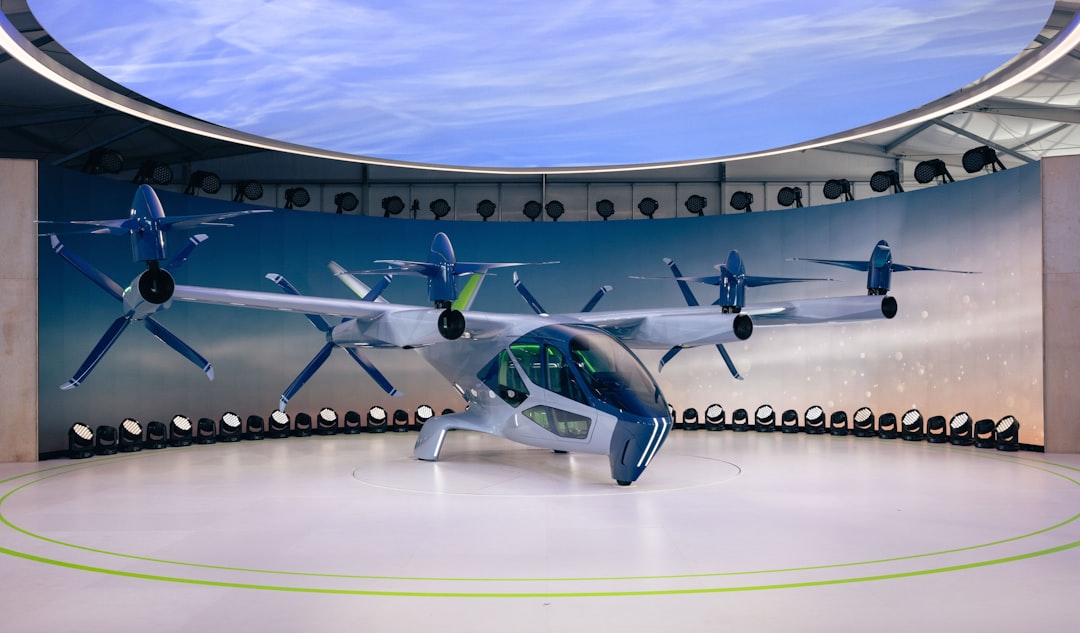
The aircraft uses eight propellers. Honda says it is designed to be safer and quieter than helicopters. The target range is about 400 kilometers. That is roughly the distance from Tokyo to Osaka. For short regional and urban travel, that range matters. It covers the gap between driving and traditional commercial aviation.
Honda has not released a timeline for commercial service. That leaves a long runway before any passenger buys a ticket. Certification, production, and infrastructure all stand in the way. The company is entering a crowded field. Automakers and aerospace firms are racing to develop electric aircraft for the same routes. Honda’s test flight puts it in the pack but not ahead of it.
The disclosure timing is curious. Honda waited weeks to announce an April 1 flight. That kind of delay suggests caution. A company does not sit on good news unless it wants to control the narrative. Perhaps Honda wanted more data before going public. Perhaps it wanted to avoid the noise of a premature announcement. Either way, the flight is real, and the aircraft flew with a passenger aboard.
The implications for Honda are broader than one flight. The company is known for cars, motorcycles, and power equipment. eVTOL is a new line of business. It requires different engineering, different supply chains, and different regulatory relationships. Honda is betting that its experience with lightweight structures, electric powertrains, and mass production transfers to aircraft. That bet is unproven.
For the eVTOL industry, Honda’s entry adds credibility. A major automaker with a flying prototype is a signal that the technology is moving beyond concept art. But it also raises the stakes. If Honda succeeds, it will reshape expectations for what an eVTOL company looks like. If it fails, it will be a cautionary tale about scope creep.
The 400-kilometer range is a key number. Most eVTOL designs target shorter hops — 50 to 150 kilometers. Honda is aiming farther. That requires more battery capacity, more structural weight, and more energy management. It also opens more routes. A 400-kilometer range connects cities that are too far to drive quickly and too close for a jet. That is the sweet spot for regional air mobility.
Safety and noise are the other selling points. Helicopters are loud and mechanically complex. Honda claims its eight-propeller design addresses both issues. More propellers mean redundancy. If one fails, the others can compensate. Quieter operation means the aircraft can fly over populated areas without the same community pushback that helicopters face. Those claims will be tested in certification, not in a press release.
The passenger flight itself is a data point. It proves the aircraft can lift a person, fly a route, and land. It does not prove the aircraft can do that reliably, economically, or at scale. Those proofs come later, if they come at all. Honda has taken one step. The next steps are harder.
Competitors are watching. Joby, Archer, Lilium, and others have their own timelines. Honda is late to the flight-test party but brings deep pockets and manufacturing discipline. The race is not a sprint. It is a marathon with regulatory hurdles at every mile marker.
For now, the flight is a fact. An eVTOL built by Honda carried a passenger. The company disclosed it, and the industry took note. What happens next depends on engineering, regulation, and market demand. None of those are guaranteed. But the flight happened. That is more than most eVTOL projects can say.